
Not all flatworm species are dangerous for the reef aquarium. Some are even beneficial, while others can become problematic if they multiply rapidly and unbalance the ecosystem. This article aims to identify the most commonly encountered undesirable flatworms in reef aquariums and natural solutions for their eradication.
Flatworms are non-parasitic aquatic flatworms belonging to the phylum Platyhelminthera (flatworms), known for their extraordinary ability to regenerate any damaged part of their body.
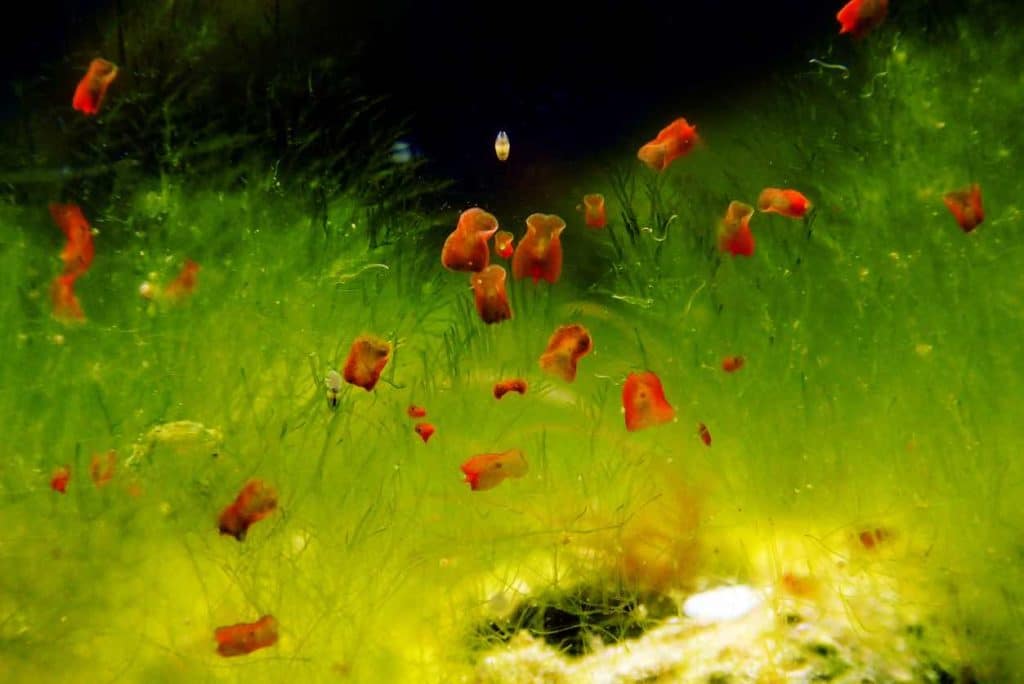
Red Flatworms Convolutriloba retrogemma
In an auxiliary refuge of the reef aquarium
There are different species of flatworms that we can classify according to their actions in the reef aquarium:
- Detritivorous Flatworms: These flatworms feed on decomposing organic matter and play a beneficial role in helping to recycle waste in the aquarium.
- Carnivorous Flatworms: These flatworms are predatory and feed mainly on small invertebrates and zooplankton present in the sand or on coral surfaces.
- Photosynthetic Flatworms: Some flatworms have symbiotic algae in their tissues, allowing them to perform photosynthesis and feed on the resulting products.
- Parasitic Flatworms: Unfortunately, some types of parasitic flatworms can be harmful to corals, fish, or other invertebrates, irritating them, damaging their tissues, or weakening them.
The Red Flatworm Convolutriloba Retrogemma
The red flatworm Convolutriloba retrogemma is a very common photosynthetic flatworm in reef aquariums.
Often accidentally introduced with corals, they can invade an aquarium in a few weeks and become a real headache to eradicate. They are generally rust to blood red in color. Their hue is the result of pigmentation by symbiotic algae.
Nicknamed the red plague, these flatworms have perfect reproductive potential. They will quickly cover all corals, thereby depriving them of light. If nothing is done, the corals will necrose and the aquarium will destabilize.
They must be quickly siphoned out as soon as they appear to prevent their spread in the aquarium.
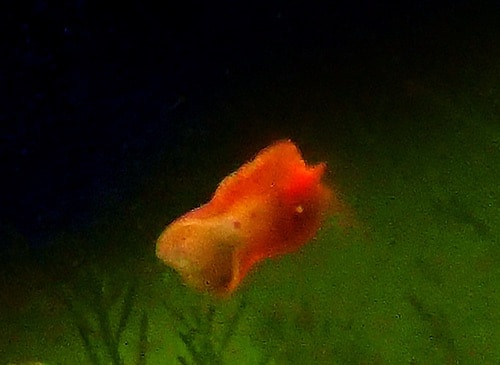
Red Flatworm Convolutriloba Retrogemma
Some fish, such as wrasses, Pseudocheilinus Hexataenia, Macropharyngodon varilvus, Chelmon Rostratus, or the Synchiropus mandarin fish, feed on these flatworms and can help stop an invasion.
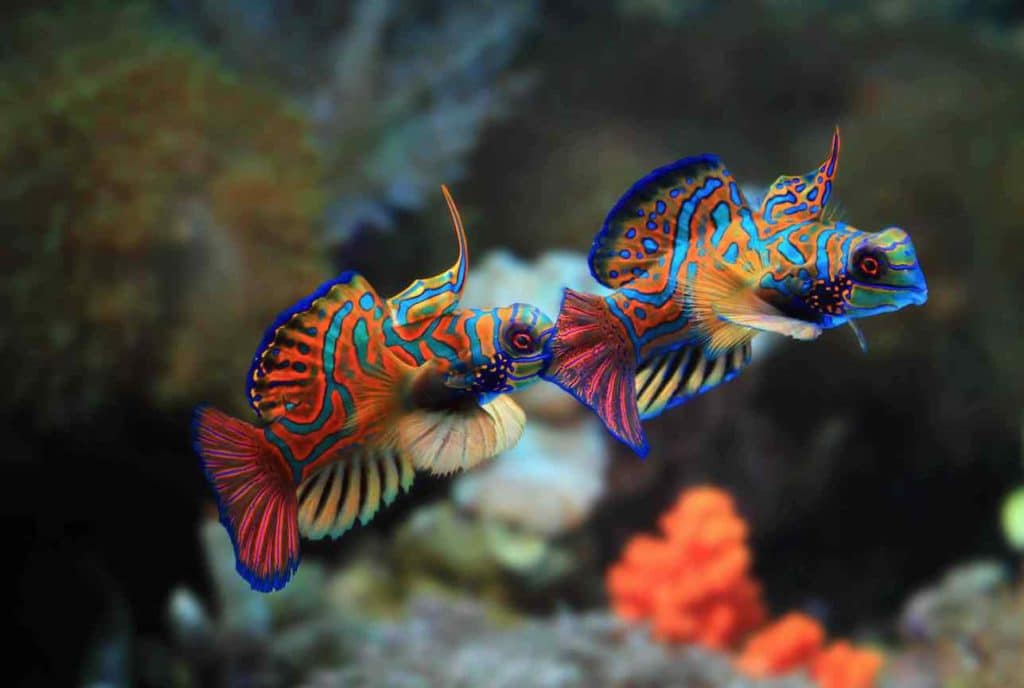
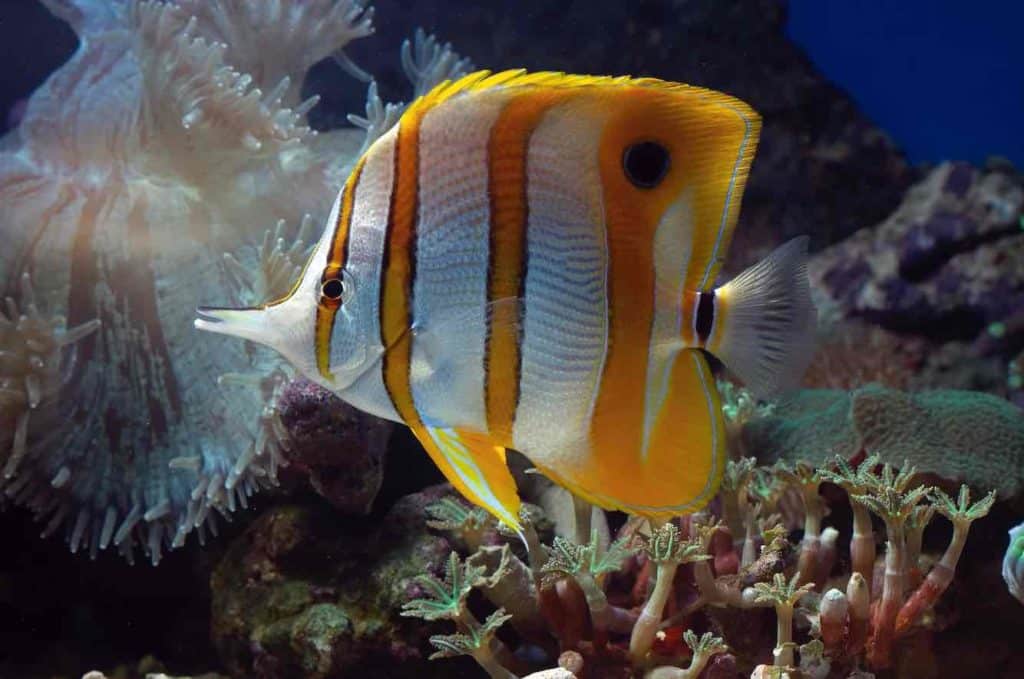
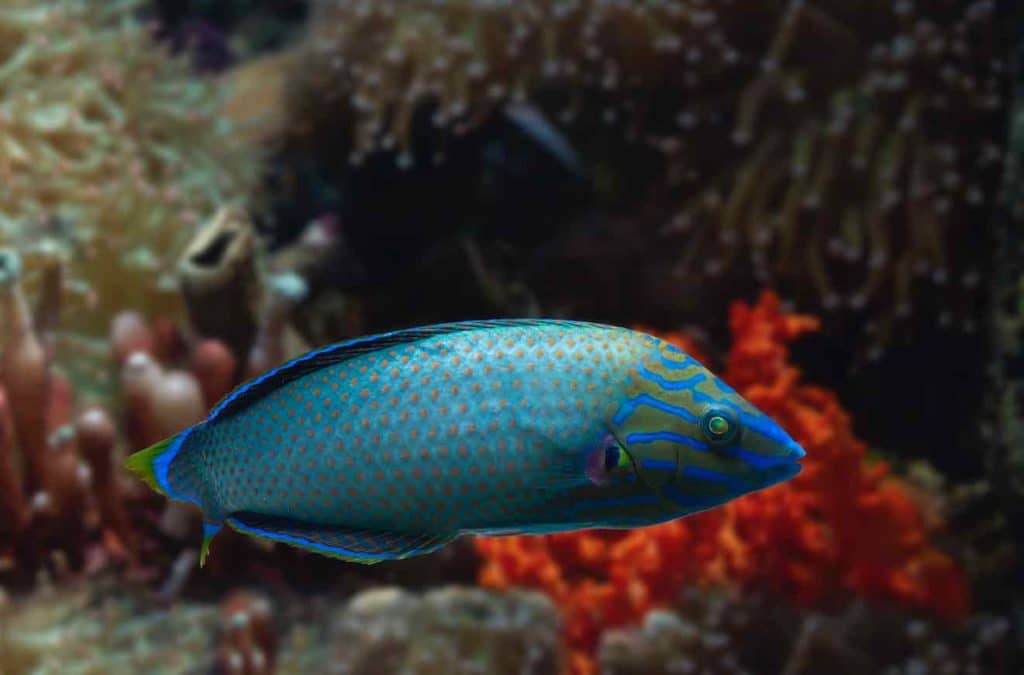
However, when the aquarium faces a proliferation of red flatworms, mechanical assistance will be necessary.
Tip: Flatworms are attracted to light as they are photosynthetic. In the evening, bring a light close to the aquarium wall, and after a few minutes, you will see the flatworms gather. Then, take a hose and siphon them into a bucket. Repeat the operation as many times as you see them.
The Leopard Flatworm Pseudoceros Pericelis
The Pseudoceros pericelis flatworm, more commonly known as the leopard flatworm, is the only flatworm of the Pericelidae family. It is a very common carnivorous flatworm in reef aquariums because it is often imported with live rock.
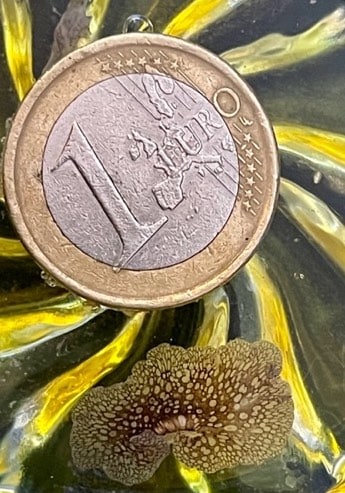
It is relatively large and can easily reach 50 mm up to 70 mm. The body is soft and easily recognizable with mottled colors (like a leopard) and very wavy folds.
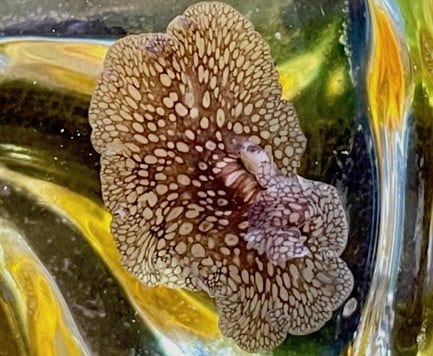
Leopard Flatworm Pseudoceros pericelis
Carnivorous Flatworm
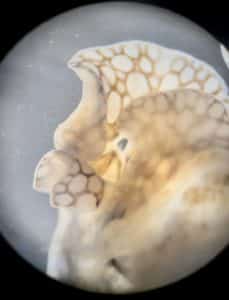
They are generally found on hard or muddy bottoms and under rocks. They use tiny cilia under their bodies to move or swim with undulations. Small ocular photoreceptors located at the front of the body allow them to detect light.
They also have chemoreceptors (sensitive to chemical molecules), located at the front of the body as two tubular pseudo-tentacles formed by body folds.
Chemoreceptors thus allow them to quickly locate their prey: small snails, trochus, astreas, sponges, animal carcasses, etc.
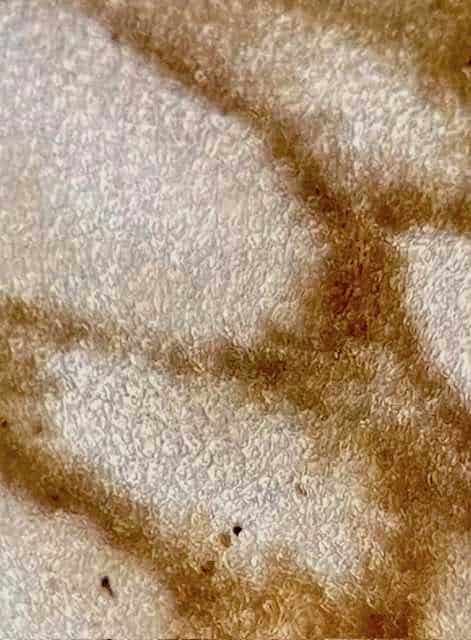
Zoom on leopard flatworm Pseudoceros pericelis:
Trap for Leopard Flatworm Pericelis:
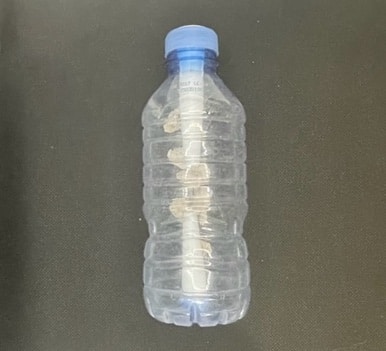
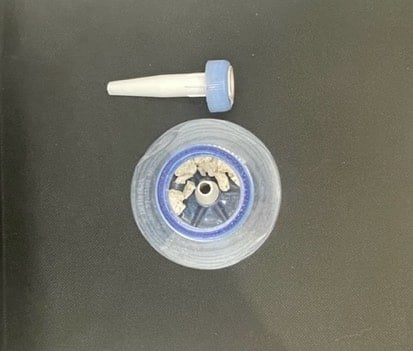
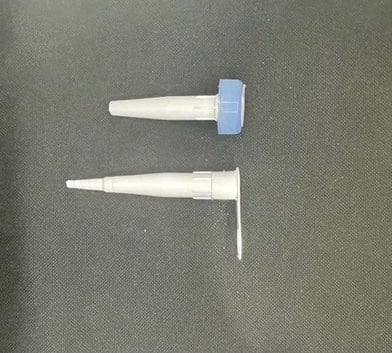
Creating a trap is an effective solution for catching leopard flatworms.
Simply take a 25cl or 50cl bottle, then pierce the ends and insert a nozzle for cartridge cannulas.
Then we recommend weighting the bottle so that it remains at the bottom of the tank (gravel or sand).
In the evening, simply add bait: fresh mussel, oyster, or uncooked crustacean, and leave the trap overnight.
The Acropora Amakusaplana Flatworm
The Amakusaplana acropora flatworm is a flatworm that measures only a few millimeters and is found exclusively on Acropora SPS corals.
They feed on coral tissues, which leads to a weakening of the corals and a decrease in their vitality. The marks left resemble round bites typical of this flatworm.
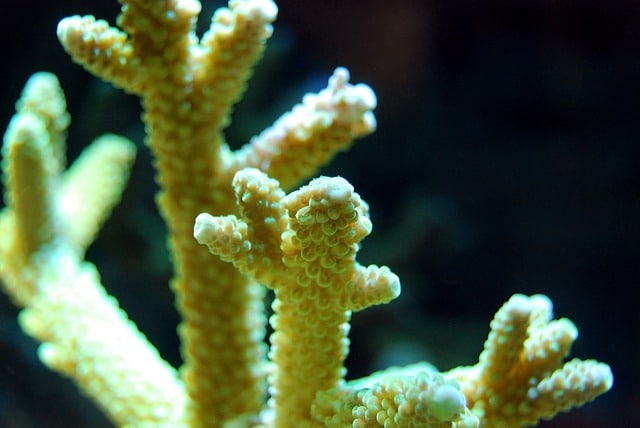
Amakusaplana Acropora Flatworm
Parasitic Flatworms
Damage caused by the Amakusaplana flatworm could eventually lead to secondary infections or other problems for corals.
It is therefore important to monitor for any infection. If you observe signs of Amakusaplana flatworm presence, you must act quickly to eradicate the invasion.
The simplest method to check if the coral is infested is to turn off the lights (or wait until night) and observe the base of the coral with a small lamp. Then carefully examine the coral to see if there are any eggs. Eggs hatch 21 days after being laid.
If the infected coral is accessible, it must be removed from the tank and treated with a coral deworming solution.
Introducing natural flatworm predators into the aquarium, such as wrasses, Pseudocheilinus Hexataenia, Synchiropus, etc., as a preventive measure or treatment, remains the simplest natural solution for most flatworms.
Photo credits: Image by kuritafsheen77 on Freepik

