
Starting a reef or marine aquarium is one of the most fascinating experiences in fishkeeping. However, reproducing a living marine ecosystem requires rigorous preparation. Unlike a freshwater aquarium, a reef tank relies on a delicate biological balance where every element influences overall stability.
Success does not depend solely on the equipment used. It is based on understanding biological processes, patience during setup, and the progressive management of water parameters.
Understanding how a reef aquarium works
A reef aquarium seeks to reproduce the conditions of a natural coral reef. The objective is to maintain a stable environment capable of hosting corals, microfauna, fish, and other invertebrates.
In this closed ecosystem, biological filtration plays a central role. Bacteria present in the live rocks and substrate gradually transform the waste produced by living organisms.
This process relies on the nitrogen cycle, which allows for the transformation of ammonia into nitrites and then into nitrates.

The stability of the tank therefore directly depends on the system’s ability to absorb and transform these compounds.
Choosing the volume and equipment
The volume of the aquarium strongly influences the stability of the system. Larger tanks generally offer greater biological inertia, which facilitates parameter management.
Essential elements
A reef aquarium relies on several fundamental pieces of equipment:
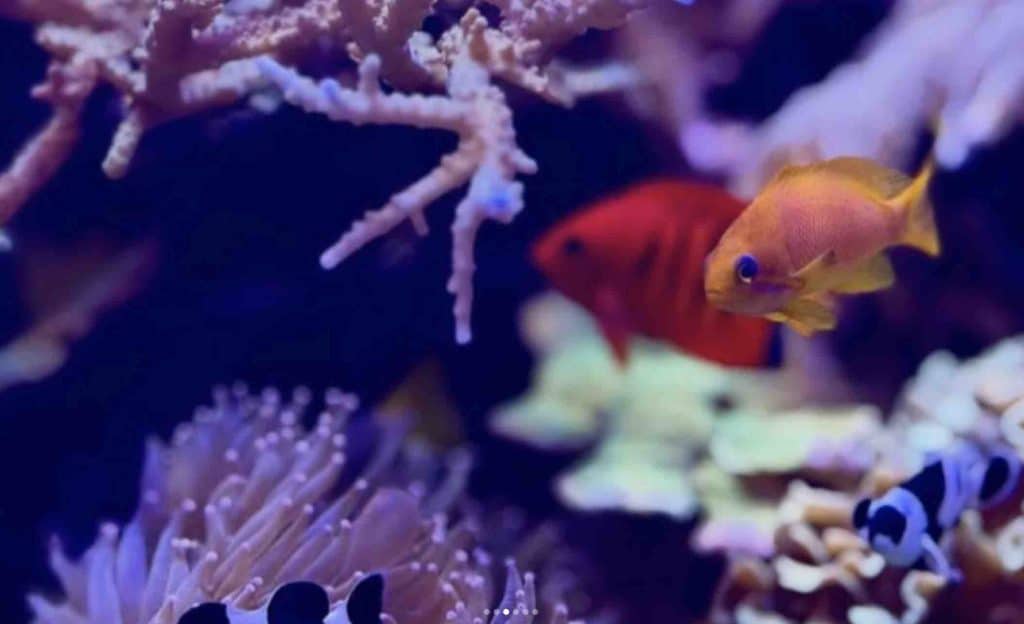
- a tank suitable for a reef project
- a lighting system designed for corals
- a protein skimmer for the removal of organic compounds
- powerheads ensuring water circulation
- a stable heating system
- live rocks or biological media
Water flow is particularly important because it reproduces the water movements found in natural reefs and promotes gas exchange.
Preparing saltwater
The water used in a reef aquarium must be as pure as possible. RO water generally constitutes the ideal base for preparing saltwater.
Synthetic salt is then dissolved in the water to obtain a salinity suitable for marine organisms.
The most monitored parameters during startup are:
- salinity
- temperature
- pH
- alkalinity
- calcium
- magnesium
The goal is not to seek immediate perfection, but to gradually build a stable environment.
Installing rocks and structuring the decor
Rocks play a central role in the biological filtration of the system. They serve as a habitat for nitrifying bacteria and a wide diversity of microorganisms.
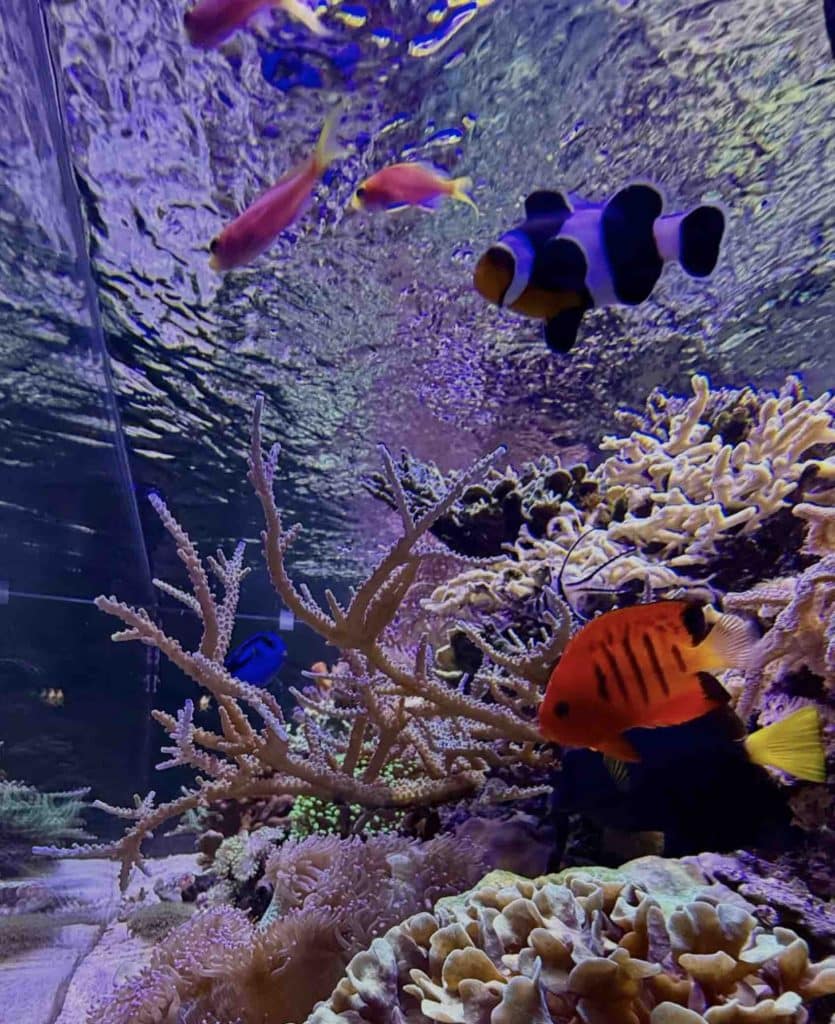
The layout of the decor must allow for:
- good water circulation
- areas of shade and light
- space for future coral growth
A decor that is too compact limits water circulation and can promote the accumulation of waste.
Launching the biological cycle
Once the aquarium is installed, a maturation phase is necessary. During this period, the bacteria responsible for the nitrogen cycle gradually colonize the system.
This phase can last several weeks. During this time, variations in parameters are normal.
It is essential to let the system evolve naturally without introducing animals too quickly. Patience remains one of the most determining factors in the success of a reef aquarium.
Gradually introducing life
Once the biological cycle has stabilized, the first organisms can be introduced.
It is generally advised to start with:
- microfauna
- a few beneficial invertebrates
- hardy corals
Gradual introduction allows the system to adapt to the increase in biological load.
Managing nutrients in a reef tank
Nutrients such as nitrates and phosphates play an important role in the balance of the tank. An excess can promote the proliferation of undesirable algae, while a total absence can harm certain organisms.
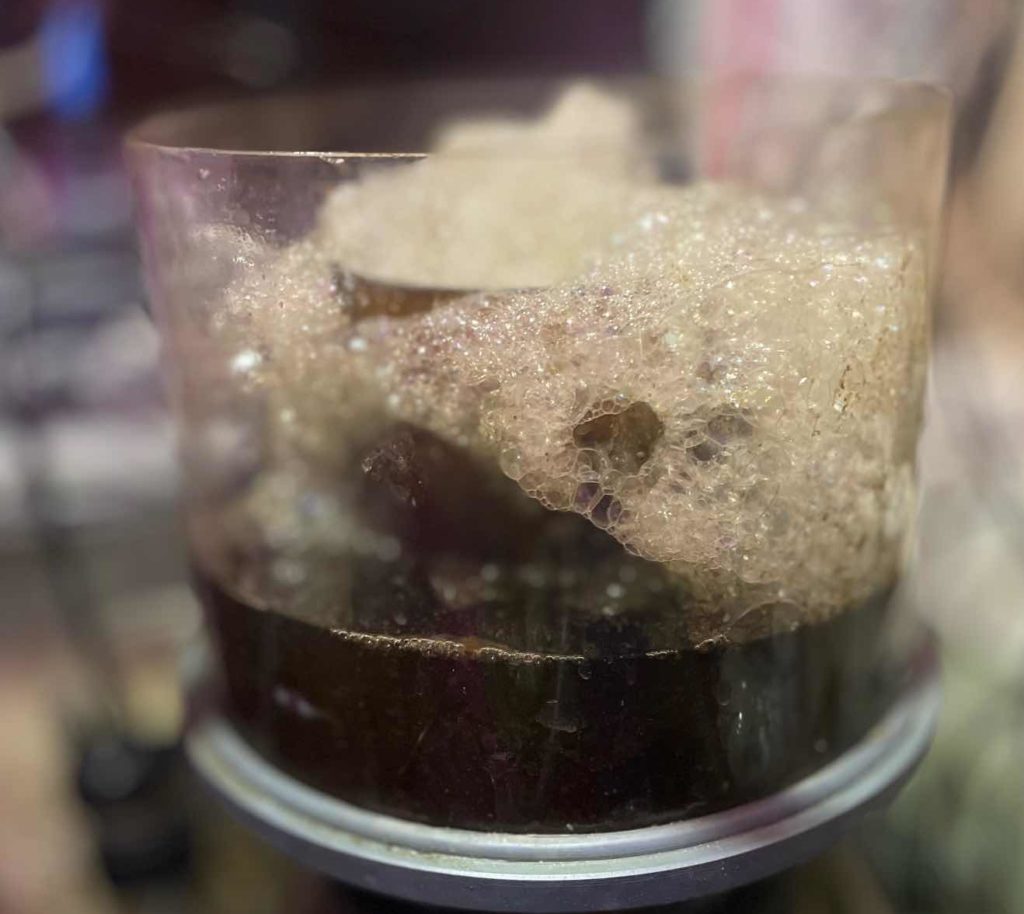
Managing these parameters is one of the most technical aspects of reefkeeping, especially when it comes to maintaining a stable balance between nitrates and phosphates in a reef aquarium.
Methods for regulating nitrates and phosphates in a reef aquarium rely on a combination of biological filtration, food management, and regular system maintenance.
Understanding the nutritional needs of corals
Some corals derive a large part of their energy from light, while others depend more on capturing nutrient particles present in the water.
Non-photosynthetic corals, particularly certain gorgonians, require specific planktonic feeding to develop correctly. Their maintenance relies on a precise feeding protocol based on the regular supply of plankton and microorganisms adapted to NPS corals.
Stabilizing the system over the long term
A reef aquarium is constantly evolving. Corals grow, the bacterial population changes, and biological interactions become more complex.
Maintaining this balance involves:
- regular monitoring of parameters
- appropriate water changes
- careful observation of organism behavior
The success of a reef aquarium depends less on frequent interventions than on the ability to maintain a stable environment.
The most common mistakes at startup
Several mistakes can compromise the stability of the system during the first few weeks.
Among the most common:
- introducing too many animals too soon
- changing parameters abruptly
- overfeeding organisms
- neglecting the quality of the water used
Each aquarium develops its own biological balance. The role of the aquarist is to support this evolution without disturbing the natural mechanisms that are being established.
Building a sustainable reef
A successful reef aquarium is not just aesthetic. It becomes a living ecosystem where every element contributes to the overall balance.
Understanding biological cycles, respecting maturation times, and carefully observing the tank’s operation allow for the construction of a stable and sustainable reef.
Patience, knowledge of marine organisms, and a progressive approach remain the keys to a reef aquarium that is balanced over the long term.